
News
From the Gambia to Zanzibar: Africa Dominates the World’s Best Winter-Sun Destinations
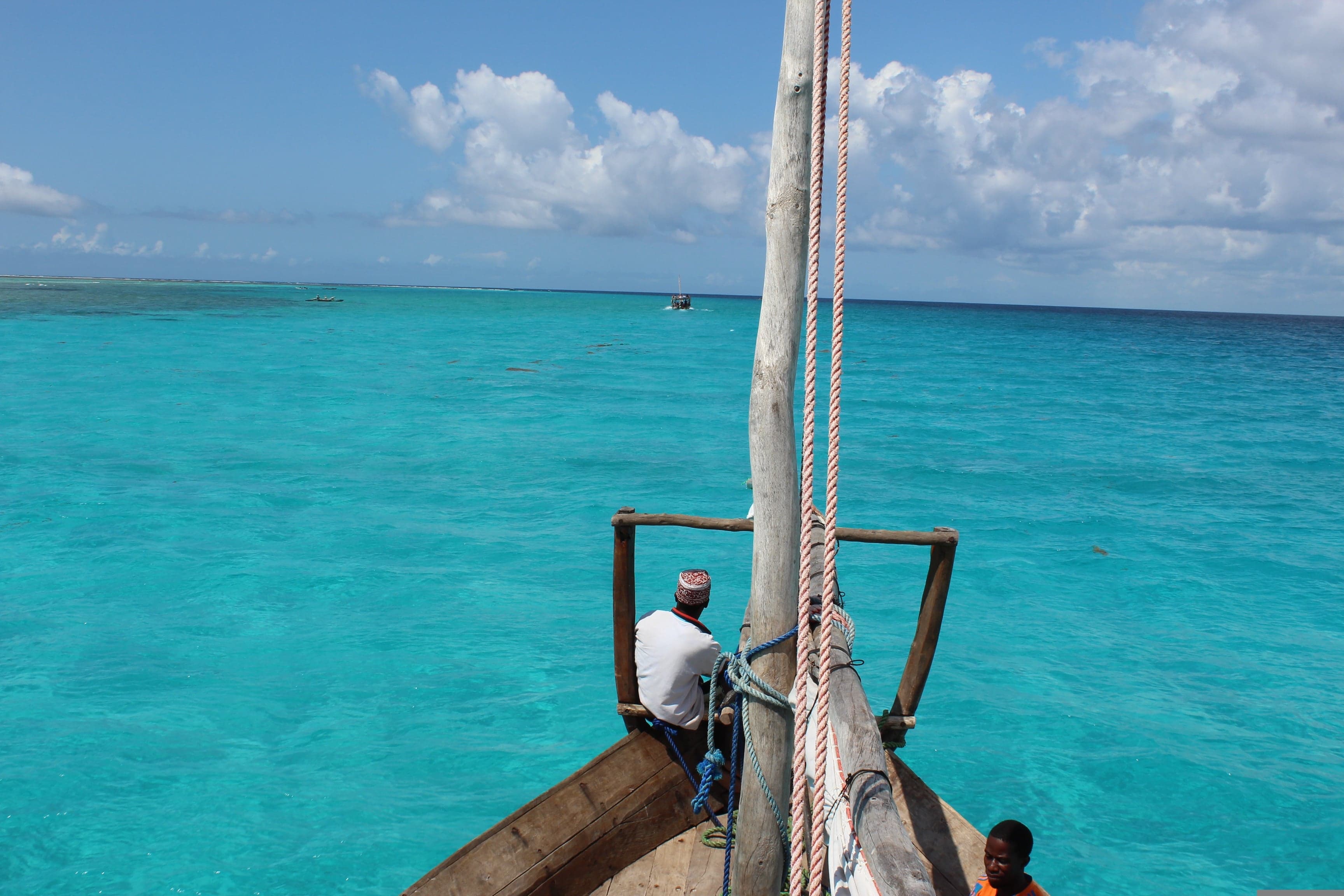
African destinations have emerged among the world’s best places for winter sunshine, according to a new study, with The Gambia taking the number one spot ahead of destinations across Costa Rica, Asia and the Caribbean.
To identify where travellers should be heading, Bailey Robinson has ranked 10 of the world's most compelling winter-sun destinations, analysing average winter temperatures, daily sunshine, rainfall and wet days.
The results reveal a surprising winner: Banjul in The Gambia, topped the ranking with a score of 90.2 out of 100, while Mombasa in Kenya ranked fourth, Zanzibar in Tanzania fifth and Cape Town in South Africa sevenths - placing four African destinations among the global top 10.
The findings come as interest in winter travel continues to rise among British holidaymarkers, with searches for 'winter sun holidays 2026' increasing by 300%, suggesting growing opportunities for African destinations to attract travellers looking beyond traditional winter beach escapes.
Top 10 winter-sun destinations
| Rank | Destination | Country | Avg. winter high | Daily sunshine | Avg. monthly rainfall | Avg. wet days | Score (/100) |
|---|---|---|---|---|---|---|---|
| 1 | Banjul | The Gambia | 32.2°C | 8.5 hrs | 0.3 mm | 0 | 90.2 |
| 2 | Liberia/Guanacaste | Costa Rica | 32.2°C | 8.8 hrs | 10.0 mm | 1.7 | 89.5 |
| 3 | Siem Reap | Cambodia | 31.3°C | 8.5 hrs | 8.3 mm | 1.7 | 85.4 |
| 4 | Mombasa | Kenya | 31.8°C | 8.0 hrs | 33.3 mm | 3.7 | 81.2 |
| 5 | Zanzibar | Tanzania | 32.0°C | 8.3 hrs | 56.7 mm | 6 | 79.6 |
| 6 | Phú Quốc | Vietnam | 31.0°C | 7.8 hrs | 30.0 mm | 3.7 | 78 |
| 7 | Cape Town | South Africa | 26.3°C | 10.7 hrs | 13.3 mm | 2.7 | 77.8 |
| 8 | Phuket | Thailand | 32.0°C | 7.8 hrs | 53.3 mm | 6.7 | 77 |
| 9 | Langkawi | Malaysia | 32.0°C | 7.8 hrs | 111.7 mm | 9.7 | 70.2 |
| 10 | Bridgetown | Barbados | 29.2°C | 8.3 hrs | 61.7 mm | 9 | 67.7 |
1. Banjul in The Gambia – 90.2/100
Taking the top spot is Banjul, The Gambia, with an impressive winter-sun score of 90.2/100. With an average winter high of 32.2°C, 8.5 hours of sunshine per day and just 0.3mm of average monthly rainfall, it offers one of the strongest combinations of warmth, sunshine and dry weather in the ranking.
The Gambia's appeal extends well beyond its beaches. Travellers can combine time on the Atlantic coast with wildlife experiences, birdwatching, local markets and cultural encounters, making it an appealing choice for those looking for a winter escape with more substance than a traditional beach holiday.
2. Liberia & Guanacaste in Costa Rice – 89.5/100
Coming a close second is Liberia and the Guanacaste region of Costa Rica, scoring 89.5/100. The region records an average winter high of 32.2°C, the highest temperature shared by the top-ranked destinations, alongside 8.8 hours of sunshine each day and only 10mm of average monthly rainfall.
For travellers who want to combine sunshine with adventure, Guanacaste offers considerably more than a beach break. The region is known for its Pacific coastline, tropical landscapes and opportunities to experience Costa Rica's wildlife and natural environment. A tailor-made itinerary can combine time on the coast with rainforest, volcanoes and wildlife experiences.
3. Siem Reap in Cambodia – 85.4/100
In third place, Siem Reap proves that a winter-sun holiday doesn't have to be centred around the coast. The Cambodian destination scores 85.4/100, with an average winter high of 31.3°C, 8.5 hours of daily sunshine and just 8.3mm of monthly rainfall.
Most famous as the gateway to the extraordinary temples of Angkor, Siem Reap offers an opportunity to combine warm, dry weather with culture and history. Travellers can explore the ancient temples, discover Cambodia's food and markets, and then extend their journey towards the country's coastline for a few days of relaxation.
4. Mombasa in Kenya – 81.2/100
Mombasa takes fourth place with a winter-sun score of 81.2/100. Average winter highs reach 31.8°C, while travellers can expect around 8 hours of sunshine per day and an average of 33.3mm of monthly rainfall.
Situated on Kenya's Indian Ocean coast, Mombasa offers a compelling combination of tropical beaches, Swahili culture and history. For those wanting to make their winter escape more adventurous, the biggest attraction is the opportunity to combine a coastal stay with a Kenyan safari, creating a trip that moves from wildlife and wilderness to the beach.
5. Zanzibar in Tanzania – 79.6/100
Rounding out the top five is Zanzibar, with a score of 79.6/100. The Tanzanian Island enjoys an average winter high of 32°C and 8.3 hours of sunshine per day, although its 56.7mm of average monthly rainfall and six wet days put it slightly behind the destinations above.
For travellers looking for a classic Indian Ocean escape with plenty to explore, Zanzibar offers white-sand beaches and warm waters alongside the history and culture of Stone Town. It can also be combined with a mainland Tanzanian safari, giving travellers the chance to experience some of Africa's most celebrated wildlife before finishing their trip on the coast.
The popularity of destinations such as the Maldives (17th) and Mauritius (32nd) shows no sign of disappearing. Their appeal is obvious: exceptional beaches, luxury resorts and reliable tropical warmth make them perennial choices for travellers wanting to escape the British winter.
But Bailey Robinson believes the emerging winter-sun trend is moving beyond the traditional ‘fly-and-flop’ holiday, with travellers increasingly seeking more personalised escapes that combine sunshine with experiences they wouldn’t necessarily find at home.
“Winter sun has traditionally been about finding the hottest destination and a beautiful beach, but that is changing. The Maldives and Mauritius will always be exceptional choices, but we’re seeing a growing appetite for destinations that offer something more, whether that’s incredible wildlife, food, culture, adventure or simply the opportunity to discover somewhere completely new.” says Sarah Parker, Sales Director at Bailey Robinson.
“What’s exciting about our ranking is that it shows you don’t have to follow the traditional winter-sun shortlist to find incredible weather. There are destinations around the world offering exceptional sunshine during the UK’s coldest months, and the real opportunity is to match those conditions with the experience each traveller is looking for.
“For us, the perfect winter escape isn’t necessarily about finding the destination with the highest temperature. It’s about understanding what you want from the break and creating a journey around that, whether that means combining a few days of adventure with time on the beach, experiencing wildlife and culture, or simply having somewhere beautiful to switch off.”
6 Expert-approved tips for choosing the perfect winter-sun escape
With winter-sun destinations becoming an increasingly popular way to escape the UK’s coldest months, Sarah Parker shared her expertise on what to consider when planning the perfect winter escape:
- Don’t just chase the highest temperature - “Do not choose a destination based on temperature alone,” Sarah said. “30 degrees sounds perfect, but it’s important to look at the whole climate picture including sunshine hours, rainfall and the likelihood of wet days. A slightly cooler destination with consistently clear skies can ultimately deliver a much better winter-sun experience.”
- Consider January and February, not just Christmas - “Don’t assume you have to travel over Christmas to escape the winter. January and February can be an excellent time to travel, particularly if the goal is to break up the long stretch of cold and dark weather in the UK,” she added. “Planning a sunshine escape after the festive period can give you something to look forward to once Christmas is over.”
- Match the destination to the length of your holiday - “Think about how much time you have before choosing how far to travel. If you only have a week, you may not want to spend too much of that time in transit. For a longer break, however, travelling further can be worthwhile, particularly if you can combine different experiences such as a safari, city stay or cultural experience with time on the beach.”
- Look beyond the obvious winter-sun destinations - “The Maldives and Mauritius are popular for very good reason, but they shouldn't be the only destinations on your radar. Our ranking highlights how many less obvious destinations can deliver exceptional winter sunshine. The Gambia, Costa Rica and Cambodia, for example, all offer something very different while still providing the warmth and sunshine people are looking for.”
- Consider what you can do beyond the beach - “A good winter-sun escape doesn't have to mean spending seven days beside a swimming pool. Look at what else the destination offers, from wildlife and food to local culture, landscapes and outdoor experiences. Combining those experiences with time to relax can make the holiday feel much more rewarding.”
- Choose the experience first, then find the destination - “Ultimately, our advice is to start with the experience rather than a country. Decide whether you want adventure, relaxation, wildlife, culture, food or simply guaranteed sunshine, and then choose the destination that delivers it best. The beauty of tailor-made travel is that you don't have to compromise, you can combine several of those experiences into one journey,” Sarah concluded.
Methodology:
- The Bailey Robinson winter sun reliability index ranks 35 winter-sun destinations according to four weather factors travellers typically look for when escaping the UK winter: daytime temperature, sunshine, rainfall and wet days.
- The analysis uses long-term climate averages for December, January and February, rather than short-term weather forecasts. It is therefore intended as a guide to typical winter conditions, rather than a prediction of the weather on any individual trip.
- Climate data is based primarily on the World Meteorological Organization (WMO) 1991–2020 Climatological Standard Normals, using a representative resort area, airport or weather station for each destination. Where relevant, individual regions or islands are used instead of country-wide averages to better reflect the conditions experienced by holidaymakers.
- Each destination receives a score out of 100 for four measures:
• Daytime warmth - 40%
• Sunshine - 25%
• Rainfall - 20%
• Wet days - 15%
- The individual measures are standardised against the other destinations in the index, with higher temperatures and sunshine receiving higher scores, while lower rainfall and fewer wet days receive higher scores. These scores are then combined using the weightings above to produce the final Winter Sun Reliability Score.
- Destinations are ranked from highest to lowest score. Published scores are rounded to one decimal place, with rankings calculated using the underlying figures.
- All data is accurate as of September 2026.
Note: Weather can vary by year, month, coast, resort and individual island. The index reflects long-term climate averages and is intended as a guide for travellers choosing a winter-sun break.